Subscribe for Official Updates
Receive official announcements, press releases, and event notices from the Ajman Government Media Office.

Receive official announcements, press releases, and event notices from the Ajman Government Media Office.
 October 16, 2026
 Ajman Media Office
 general news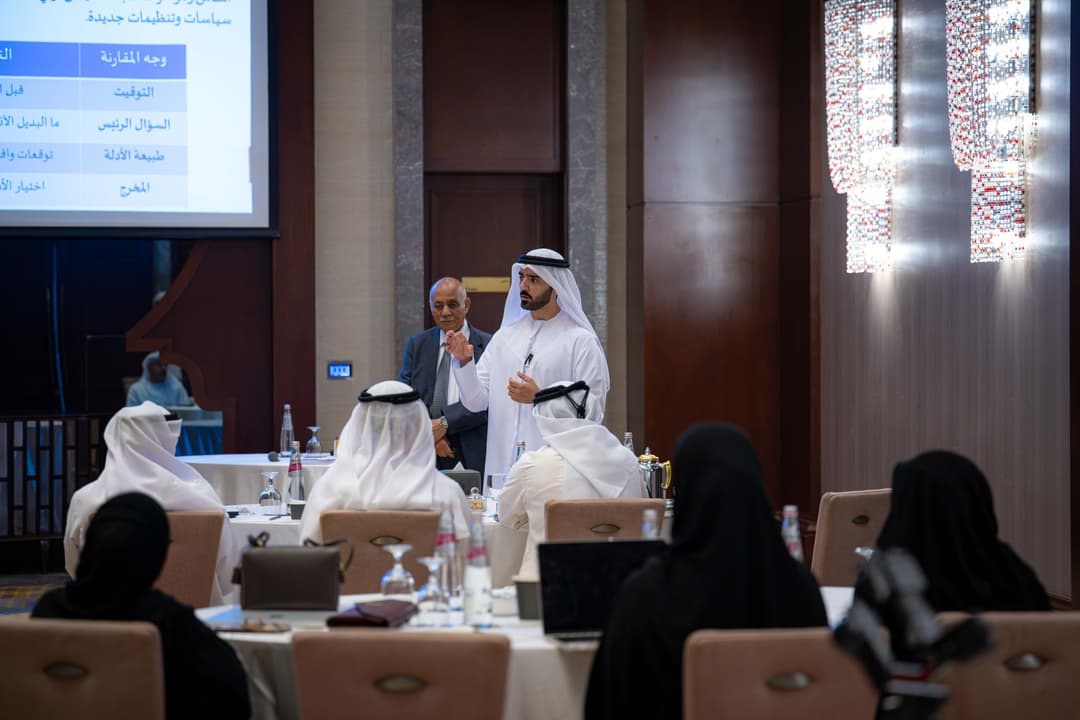

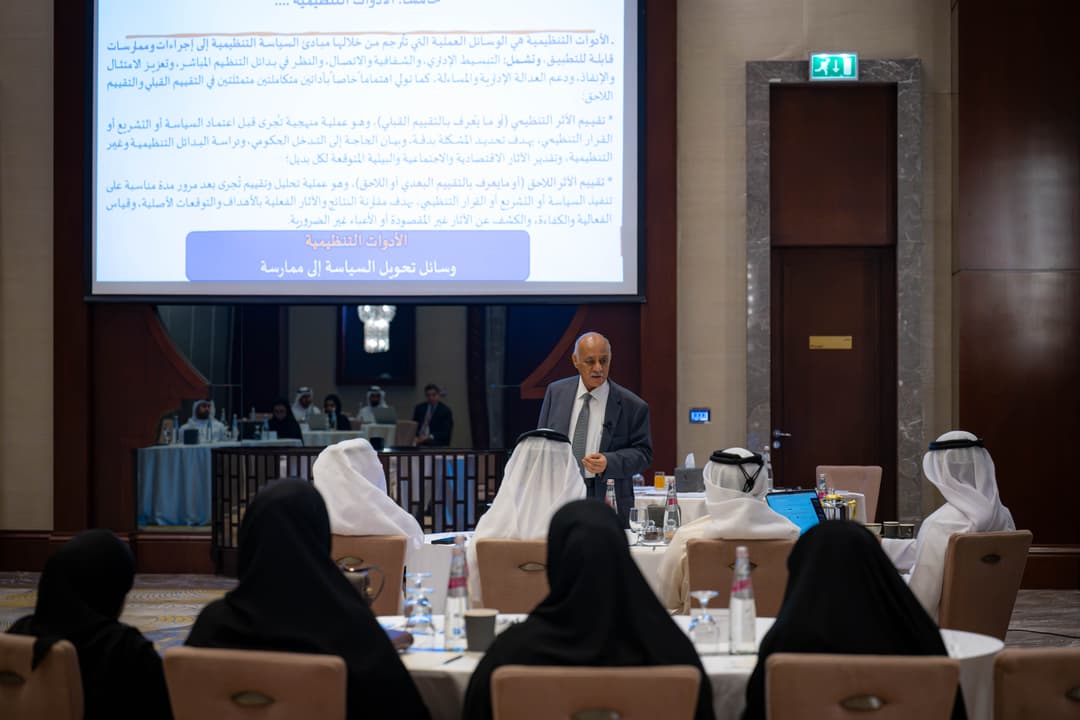
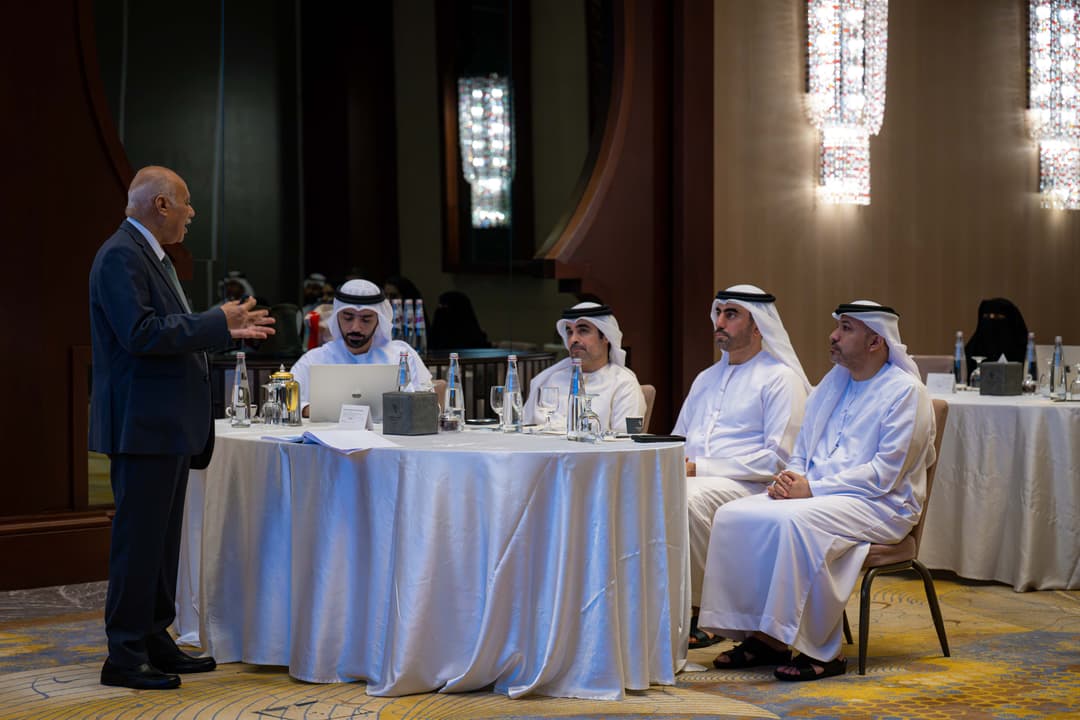
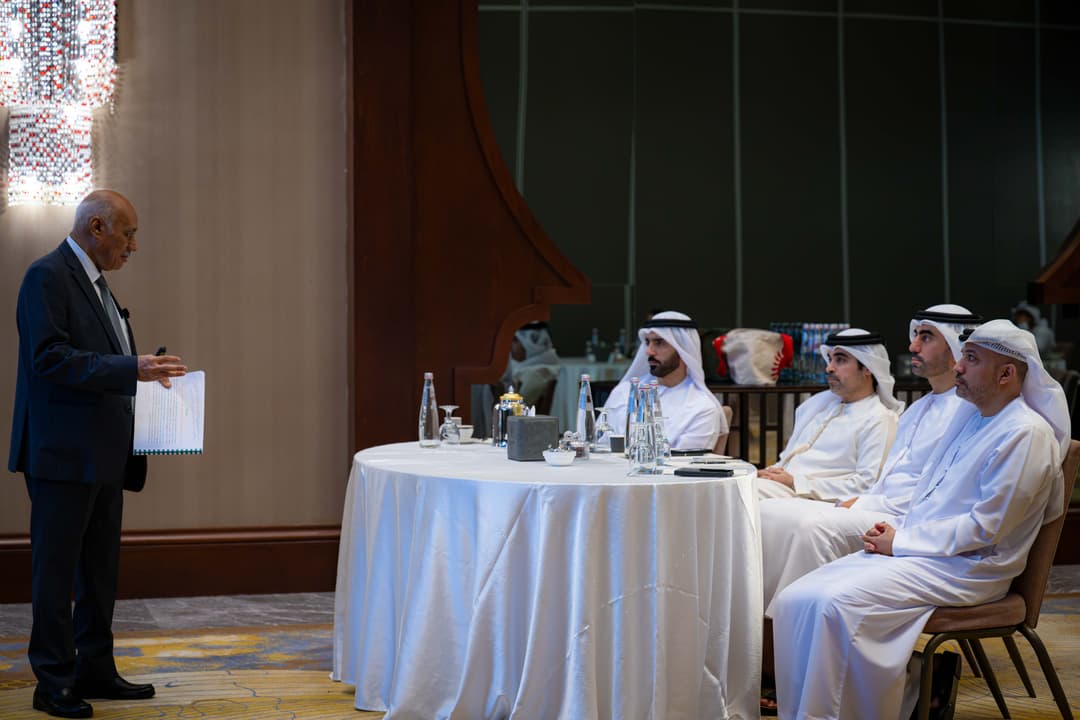
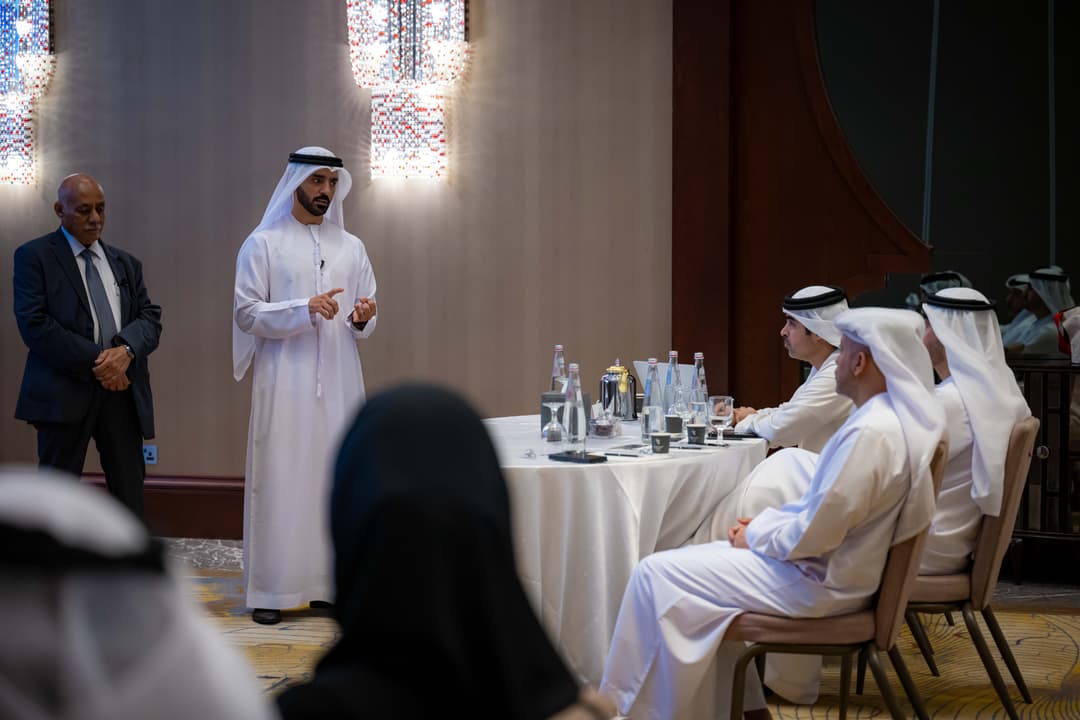
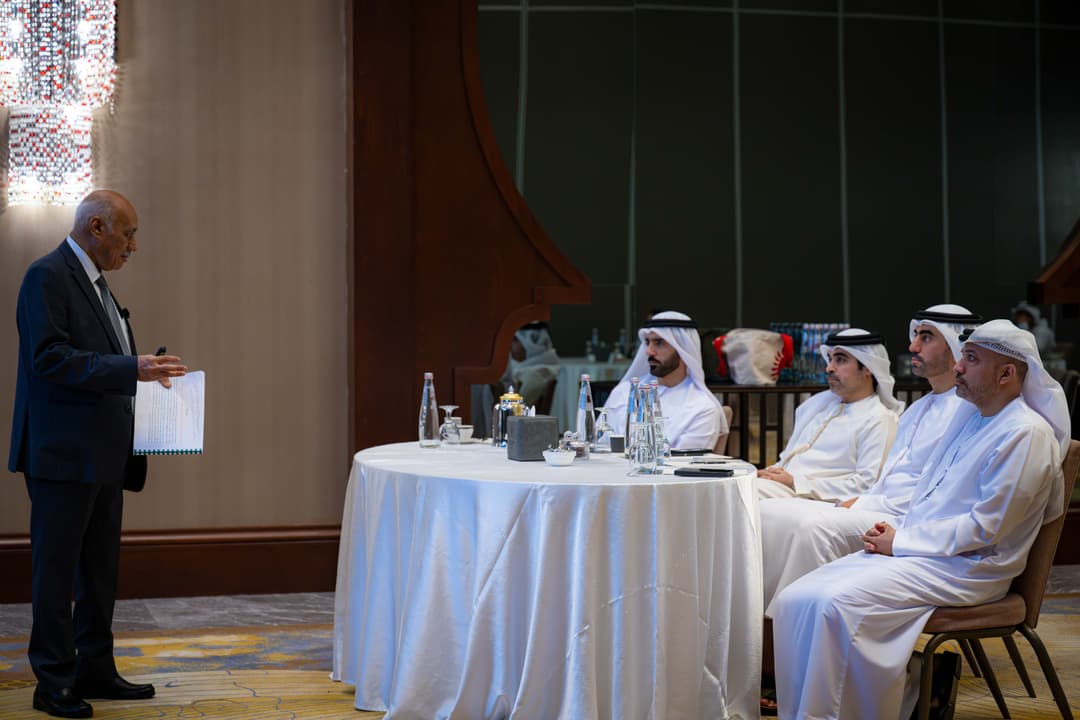
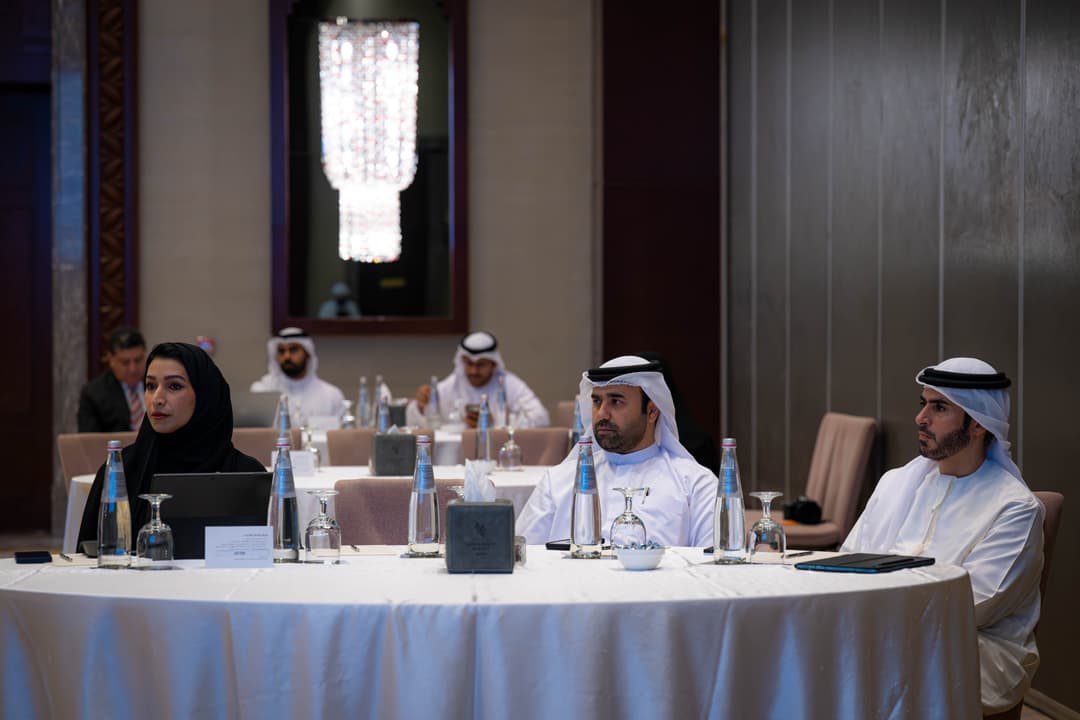

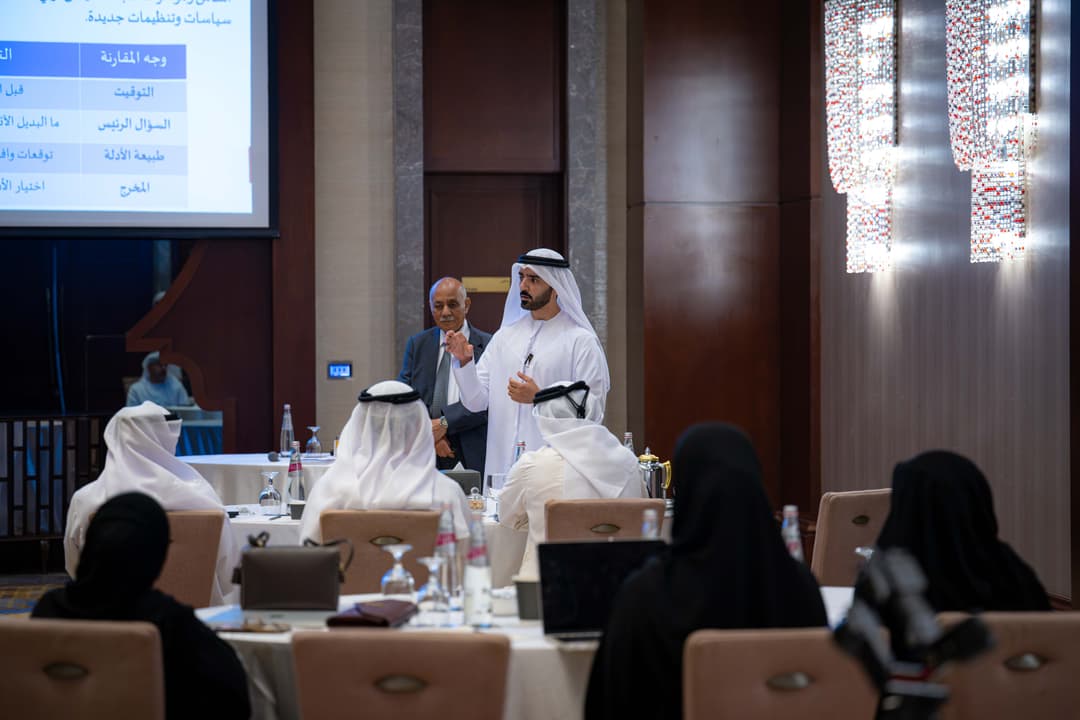
The General Secretariat of the Executive Council of the Emirate of Ajman organised a knowledge session under the Strategic Knowledge Programme, entitled “Ex Post Evaluation as a Methodology for Developing Regulatory Policy and Strengthening Good Governance.”
The session aimed to enhance knowledge of modern methodologies for evaluating policies, legislation and regulatory decisions, and to enhance their effectiveness based on actual results and evidence.
Dr Mohammed Obaid Mohammed, Legal Adviser at the General Secretariat of the Executive Council of the Emirate of Ajman and Lecturer in International Law, reviewed the importance of ex post evaluation as a systematic tool for assessing the extent to which policies, legislation and regulatory decisions achieve their objectives after they come into force.
He highlighted its role in identifying their actual impacts and associated costs and burdens, as well as verifying whether the need for regulatory intervention remains, thereby supporting more efficient and effective government decision-making.
The session affirmed that the true value of ex post evaluation does not lie solely in producing a report describing the results of implementing a policy, legislative instrument or regulatory decision. Rather, it lies in transforming the experience generated through implementation into knowledge that helps governments improve their regulatory interventions and enhance the quality of their decisions.
Evaluation helps determine whether the assumptions upon which a regulation was based have been realised, whether its outcomes are proportionate to the costs and burdens it has generated, and whether the circumstances that warranted its introduction continue to exist.
From this perspective, ex post evaluation performs two complementary functions: a development function aimed at improving regulations, and a governance function that strengthens evidence-based decision-making and reinforces transparency, participation, accountability and the efficient use of resources.
The session also addressed the Organisation for Economic Co-operation and Development (OECD) approach to regulatory quality, which emphasises the importance of integrating ex ante and ex post evaluation, systematically reviewing existing regulations, and assessing their costs and benefits. Such measures ensure regulations remain current, coherent and effective in light of economic, social and technological developments.
The session referred to the OECD’s Best Practice Principles on Reviewing the Stock of Regulation, issued in 2020, which call for ex post evaluation to become an integral and permanent part of the regulatory policy cycle. The Principles also stress that reviews should be based on evidence of actual outcomes and result in recommendations that address identified shortcomings.
The session reviewed the Ajman Government’s practical framework for ex post evaluation, beginning with the design of the evaluation process and the definition of its objectives and indicators, through the collection of evidence and analysis of results, and culminating in the formulation of recommendations and alternatives that support the development of regulatory decisions.
It also included a practical group exercise to identify priorities for ex post evaluation across several government sectors. Participants proposed local regulatory frameworks to prioritise for evaluation, explained the rationale for their selection, and developed preliminary objectives and indicators to measure direct outcomes and wider impacts. This provides a systematic foundation for reviewing and developing policies and regulatory decisions.
The knowledge session forms part of the General Secretariat of the Executive Council’s efforts to strengthen the exchange of strategic knowledge and expertise and embed evidence-based practices and institutional learning, thereby contributing to enhancing the quality of government performance in the Emirate of Ajman.

للنشر والارسال للقنوات الإخبارية
للنشر والارسال للقنوات الاخبارية
 Downloads:
 Press Release
 Photos