Subscribe for Official Updates
Receive official announcements, press releases, and event notices from the Ajman Government Media Office.

Receive official announcements, press releases, and event notices from the Ajman Government Media Office.
 November 20, 2026
 Ajman Media Office
 crown prince
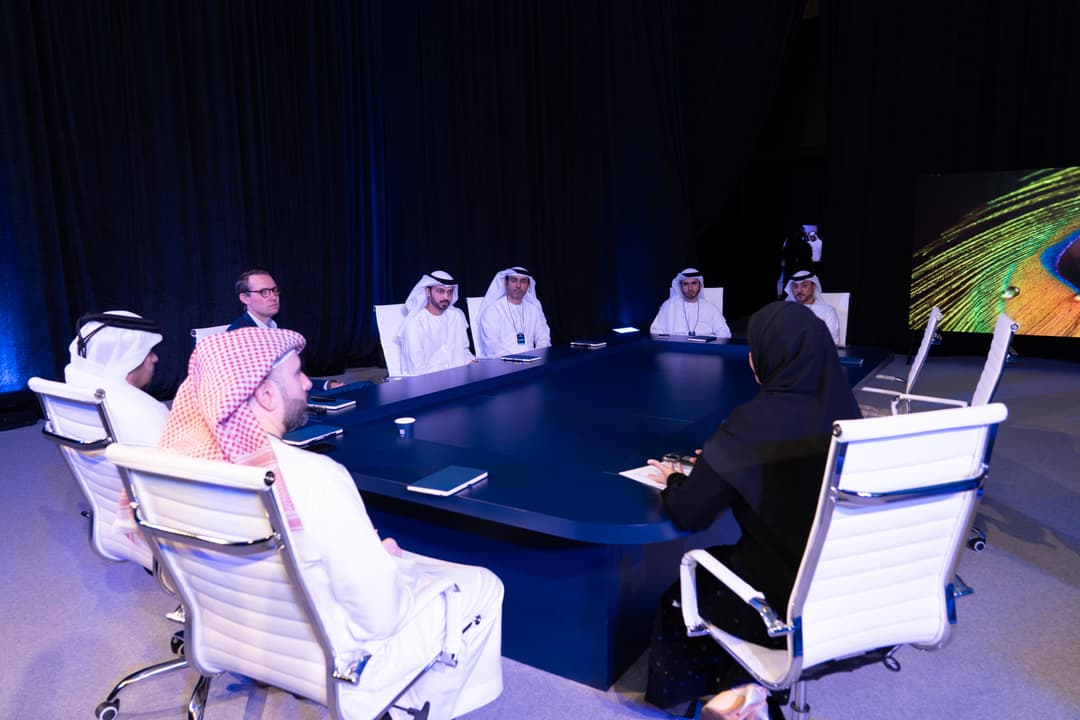
The Media Professionals’ Roundtable, held as part of Ajman Media Forum 2026 – THE SIGNAL, explored the future of media amid rapid industry transformation, the role of artificial intelligence in advancing media practices, ways to strengthen public trust in information, and the challenges posed by evolving digital platforms and the economics of media.
Organised by the Ajman Government Media Office in collaboration with Statista, the roundtable focused on three main themes: AI and the Future of Media; Trust and Public Communication; and Audiences, Platforms and the Economics of Media. The discussions aimed to identify priorities for media organisations in the next phase.
Discussions highlighted how decisions made by media organisations today will shape their operations for years to come, particularly regarding investment in AI, maintaining public trust amid a proliferation of information sources, and developing ways to reach audiences as the platforms they use continue to evolve.
Participants examined the interconnected nature of these challenges and how decisions made by digital platforms affect the way media organisations distribute their content. They also emphasised the importance of verifying and sharing information among media organisations, platforms and public institutions to help audiences rely on it with confidence.
The roundtable featured a presentation entitled “Data Pulse”, delivered by Frederik Gronwald, Chief Customer Officer at Statista. It presented findings on the use of AI in media, public trust in information, and how audiences discover news and content across different platforms.
Under the theme of AI and the Future of Media, participants discussed opportunities to use emerging technologies to save media organisations time and money, and to reinvest those savings in areas that improve content quality. They also examined investment priorities and the indicators that could be used to measure the impact of such investment on the quality of media output.
The Trust and Public Communication theme addressed the importance of enabling audiences to identify information sources and verify their accuracy, particularly when information circulates through government channels, media outlets and social media platforms. Participants also explored the possibility of agreeing on shared procedures among government entities, media organisations and platforms to facilitate information verification.
The Audiences, Platforms and the Economics of Media theme focused on changes in how audiences discover news and content, particularly with the growing prevalence of short-form videos and AI-generated answers that allow users to access information without visiting the websites of the media organisations that produced it.
Participants examined the economic viability of investing in these channels and ways to turn audience reach into lasting relationships and revenue that can sustain journalism in the future. They also discussed the indicators that could inform decisions to increase investment in different platforms.
Discussions further addressed the importance of exchanging expertise between media organisations and digital platforms, drawing on different experiences, identifying practical steps that could be taken over the coming year, and determining the collaboration required among stakeholders to implement them.
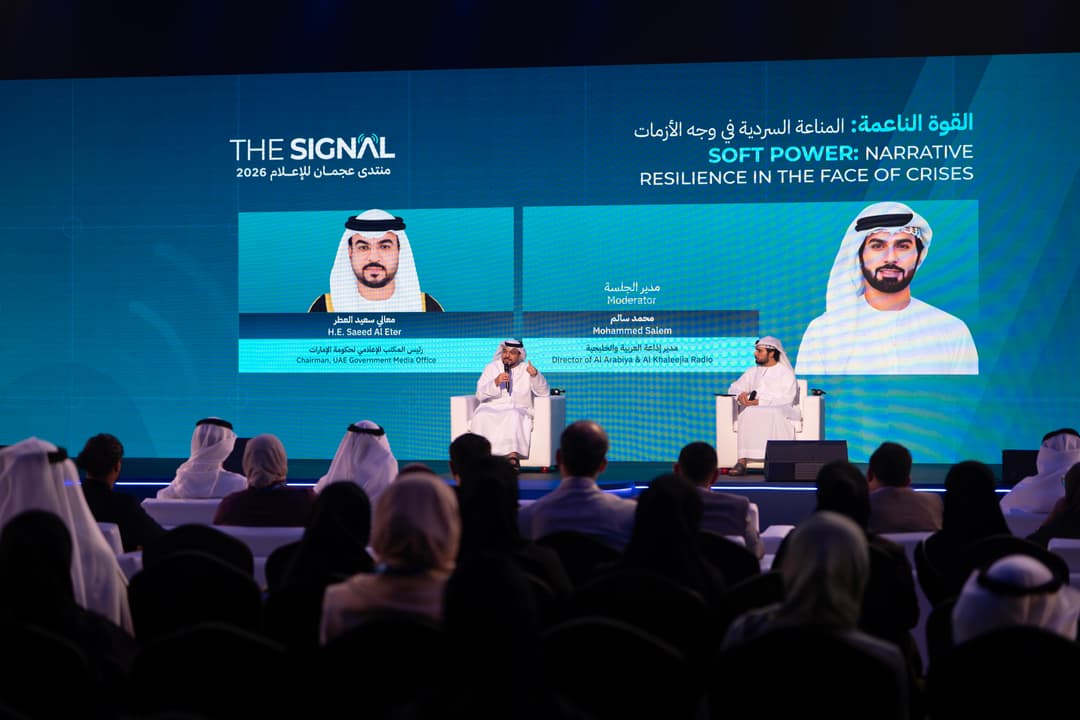
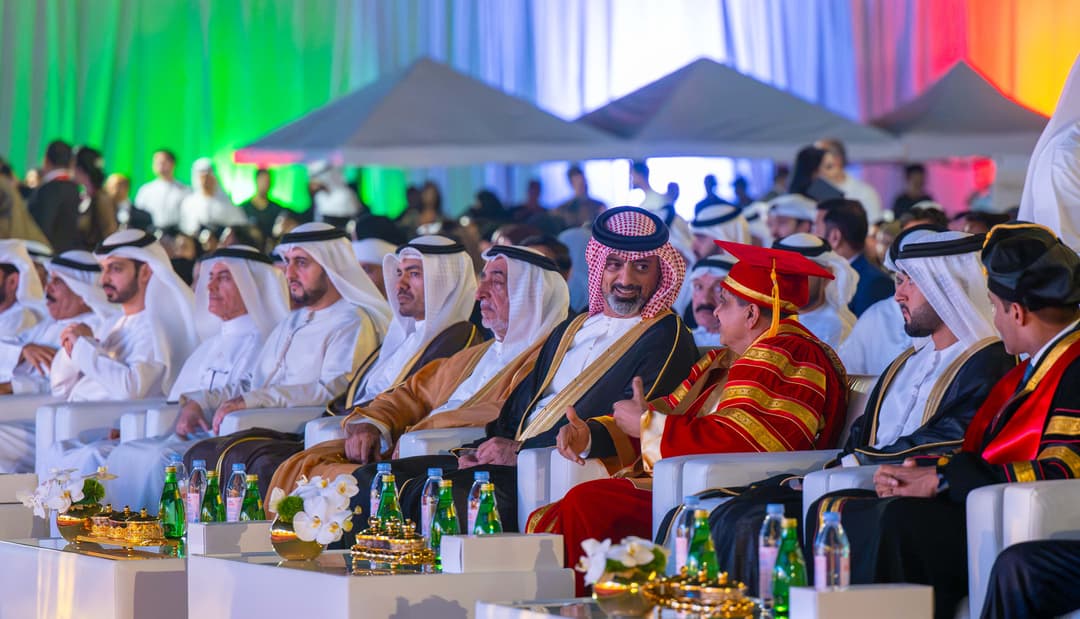
The Ajman Government Media Office organised the forum under the patronage of His Highness Sheikh Humaid bin Rashid Al Nuaimi, Supreme Council Member and Ruler of Ajman, and under the directives of His Highness Sheikh Ammar bin Humaid Al Nuaimi, Crown Prince of Ajman and Chairman of the Executive Council. Held on 18 and 19 November at the Emirates Hospitality Centre in Ajman, the forum brought together 68 speakers from 17 countries across 23 sessions to discuss the future of media amid the rapid transformations reshaping the sector.
 Downloads:
 Press Release
 Photos